The Best Wireless Headphones for Everyday Use
Noise cancelling, battery life and long-wear comfort, ranked by how they actually hold up on a commute rather than on a spec sheet.

Some links on this website are affiliate links. We may earn a commission when you make a purchase through these links, at no additional cost to you.
Start with how long you actually wear them
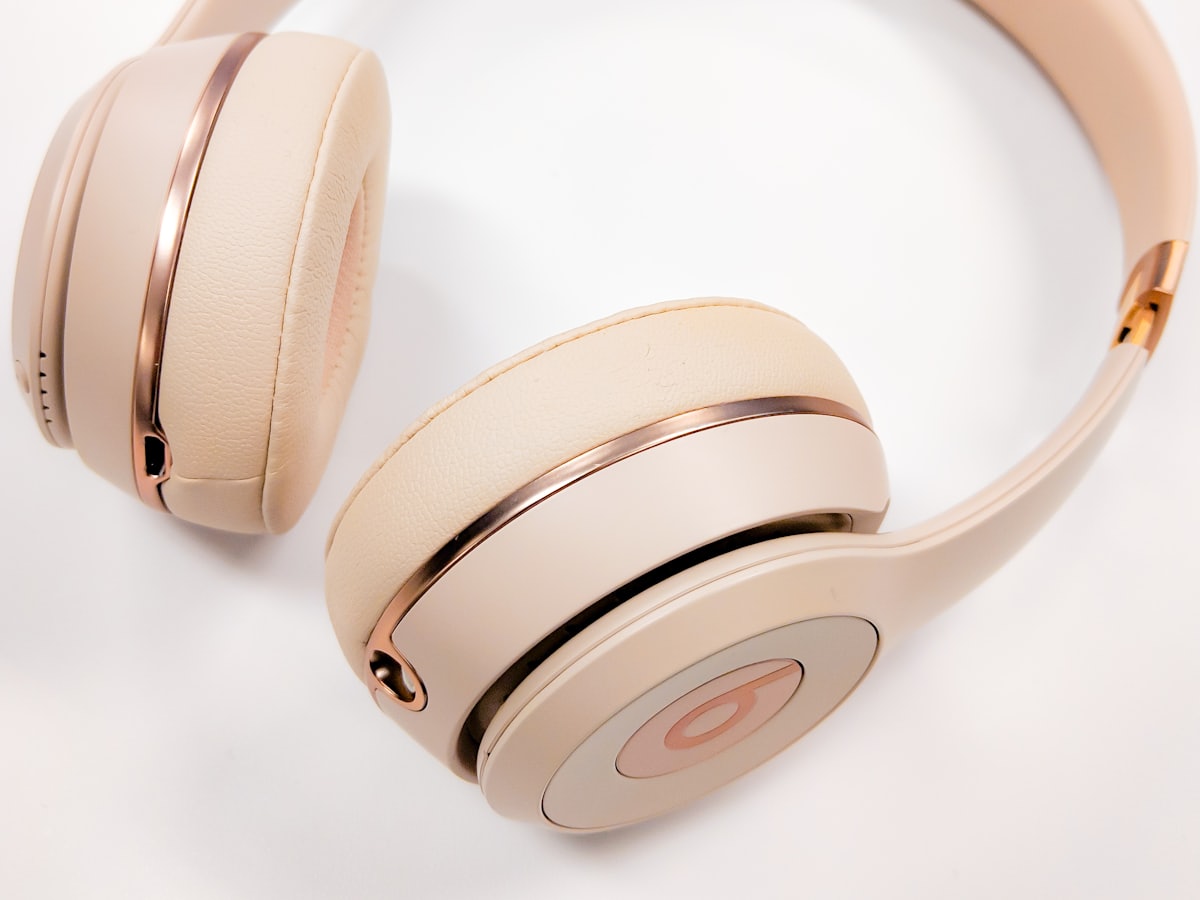
Most headphone comparisons are won on the spec sheet and lost after three hours. Clamping force, earcup depth and the weight sitting on top of your head matter more to a working day than another two decibels of isolation.
If you wear glasses that gets sharper still: an earcup stiff enough to seal well on a bare head will press an arm into your temple by the second call. Look for memory foam that recovers slowly, and a headband with give rather than padding alone.
Noise cancelling is not one feature
Cancelling low, steady sound — engine hum, HVAC, a train — is close to a solved problem, and most pairs above $200 handle it well. What still separates them is speech: the conversation two desks over, the announcement over a platform PA.
Test that yourself if you can. Play nothing, put the pair on in a busy room, and listen for how much of the talking survives. That is the number the box will not give you.
The things that decide it a year later
Multipoint pairing — staying connected to a laptop and a phone at once — turns out to matter more than almost any audio feature, because it removes a small daily annoyance rather than adding a rare capability.
So do replaceable earpads. Foam is the first thing to fail, usually around eighteen months, and a $25 pad kit is the difference between a repair and a replacement.